
President of Xiamen University Hu Wenping Visits the College of Energy
Date: May 5, 2026
On April 2, Hu Wenping, President of Xiamen University and Academician of the Chinese Academy of Sciences, visted the College of Energy . He toured the college's facilities and held discussions with the college's leadership team, heads of departments, and faculty representatives. The meeting was chaired by Wang Jiesong, Party Secretary of the College of Energy.
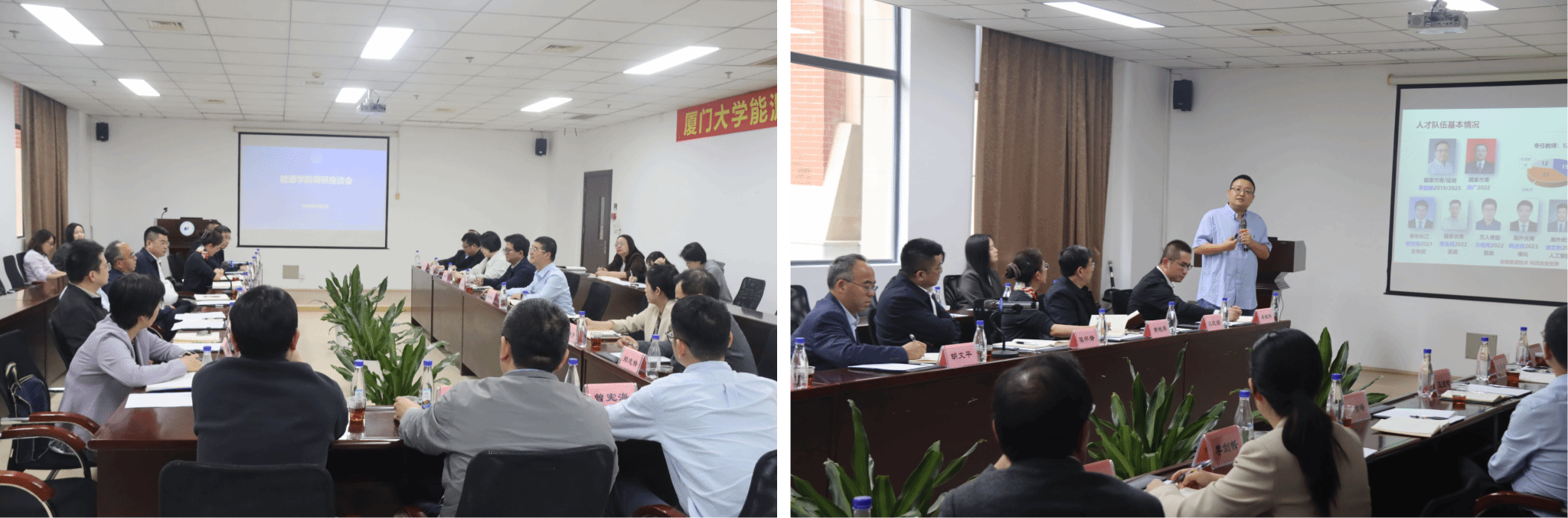
Li Jianfeng, Executive Vice Dean of the College, reported on the College of Energy's current development and its 15th Five-Year Plan. He highlighted recent achievements in discipline development, faculty team building, talent cultivation, and scientific and technological R&D. He also analyzed opportunities and challenges, and outlined the main tasks and measures for the college's high-quality development during the 15th Five-Year Plan period.
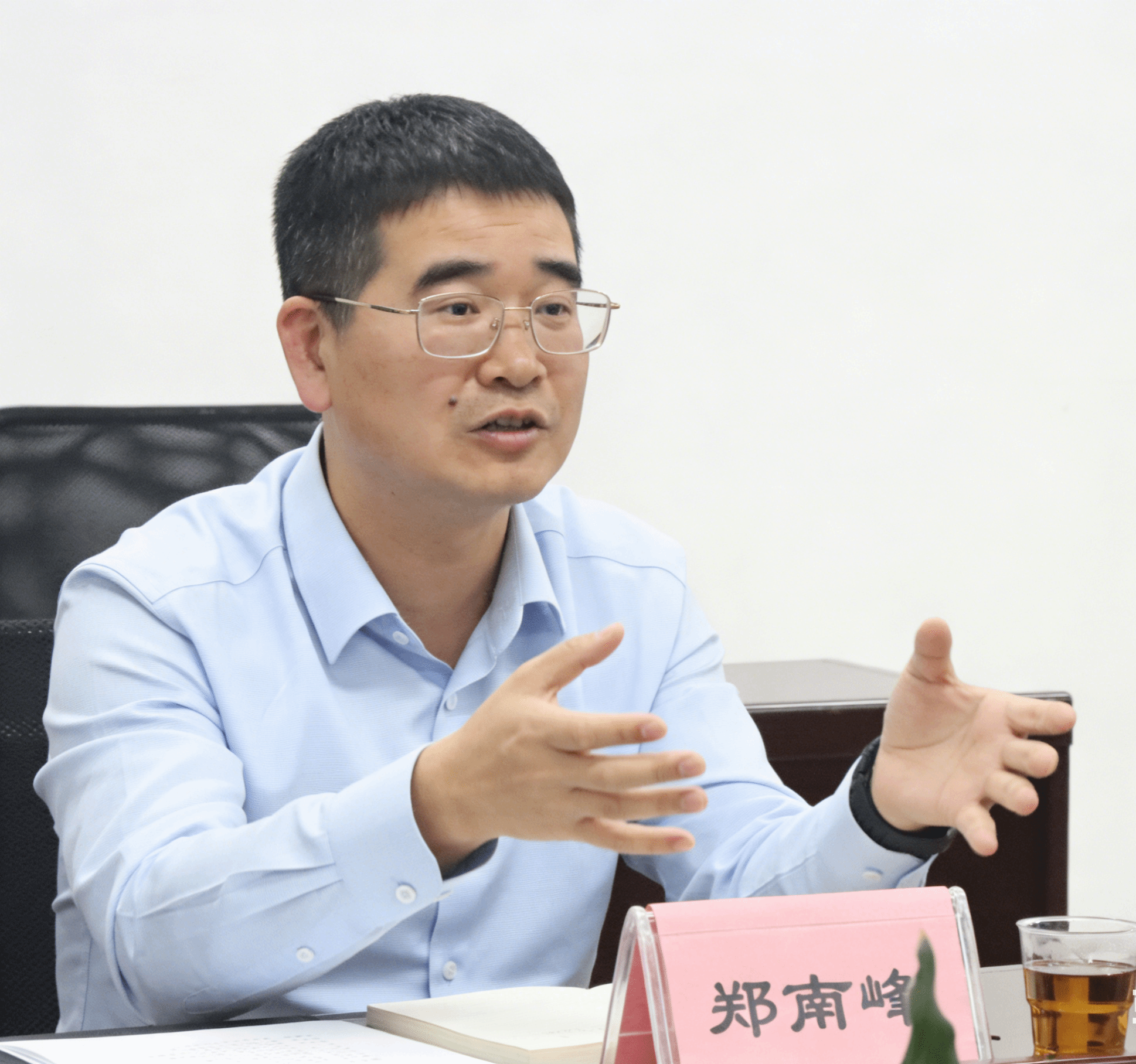
Zheng Nanfeng, Dean of the College of Energy , shared the college's plans for talent cultivation, research innovation, and team building under the 15th Five-Year Plan. He stated that the College of Energy would seize the opportunity of the national energy transition, strengthen cooperation with major state-owned energy enterprises, build high-performance teams driven by major tasks, and promote the high-quality development by serving national strategies and solving practical problems.
Participants held in-depth discussions on faculty team building, research, discipline development, platform construction, and talent cultivation. Heads of relevant functional departments responded to the issues raised and offered constructive suggestions.
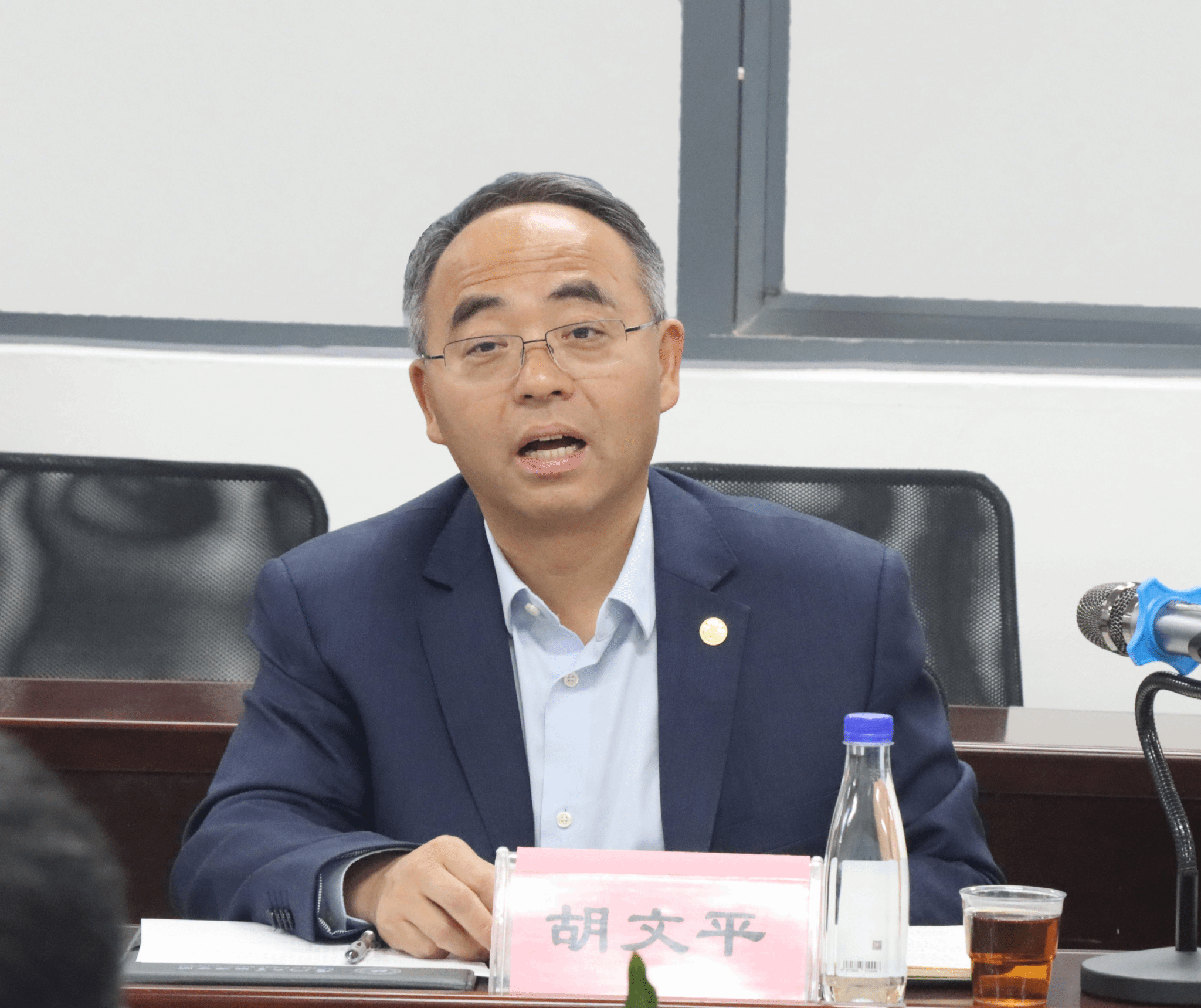
Hu Wenping listened to the report and discussed key issues with the college. He fully affirmed the achievements and its 15th Five-Year Plan. He noted that energy is a major national strategic pillar, and that the current moment is both a critical juncture for the energy revolution and a golden opportunity for the College of Energy. He expressed the hope that the college would focus on national strategic needs in the energy sector, identify its strengths, refine its development directions, and build core competitiveness. He emphasized that the college should take major projects as the entry point and project-based mechanisms as tools to integrate resources and drive large research teams towards breakthroughs in research outcomes, high-level talent cultivation, and the platforms construction. He encouraged the college to build on its disciplinary foundation, assess its strengths and weaknesses, and, based on its engineering characters, faculty strengths, and positioning, boldly explore a development model that suits its own conditions and charts a differentiated, high-quality path for engineering development.
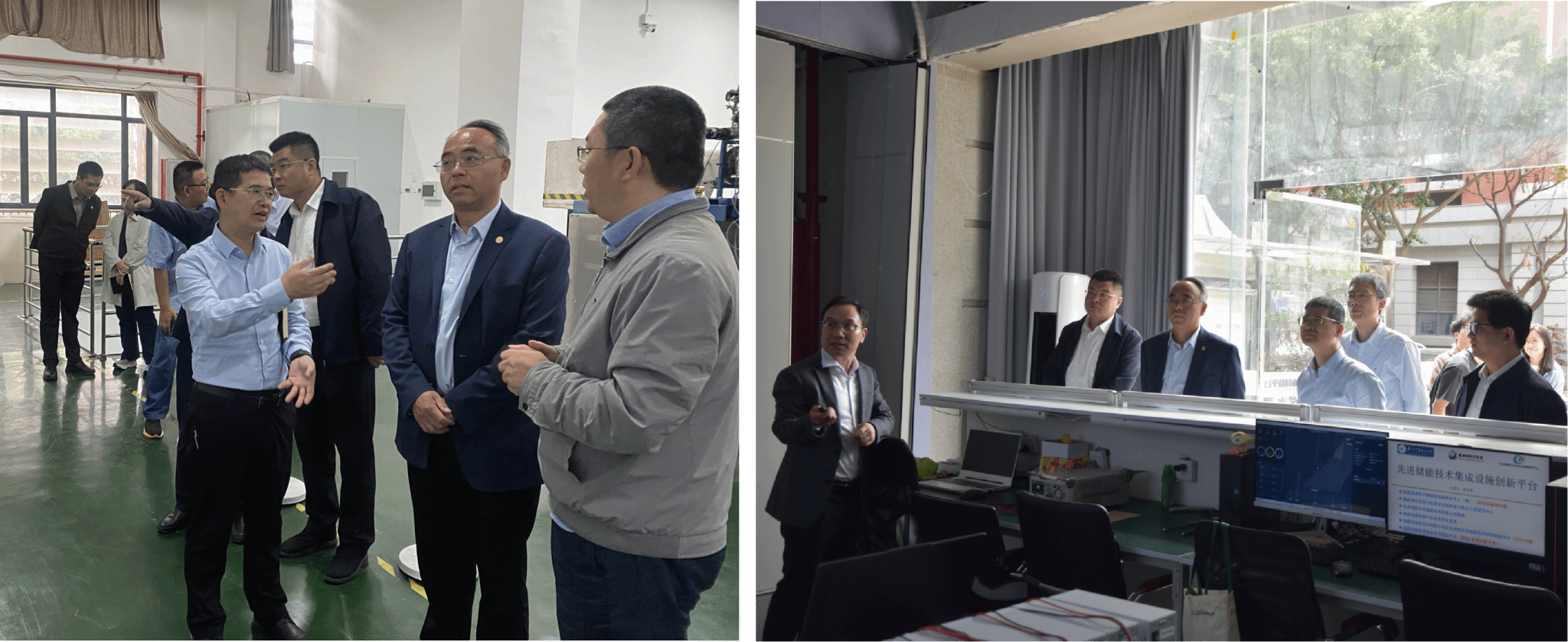
During the visit, President Hu and his delegation also toured the college's networked facilities, the Integrated Innovation Platform for Advanced Energy Storage Technologies, and other teaching and research spaces.
Recommended
-

Students and Teachers of Our College Won Several Prizes in 2018 Science Innovation Competitions
-

Xiangshan College Held the Lantern Festival Party for the 98th Anniversary Celebration
-

Our college’s exchange meeting for the sharing of experience of undergraduate graduates in 2019 was held successfully
-

Enrollment propaganda in 2019 winter vacation of college of energy ended with a great success
-

The safety education conference for students in the winter vacation in 2018-2019 school year was held in our college